⚠️Mattress/rug order pricing information important !
Camille Weiss
Le Milieu (Ayroop)
Rue du Haut Bois
35136 Saint-Jacques-de-la-Lande
France
Rue du Haut Bois
35136 Saint-Jacques-de-la-Lande
France
France
Price
Full internship : 3080€
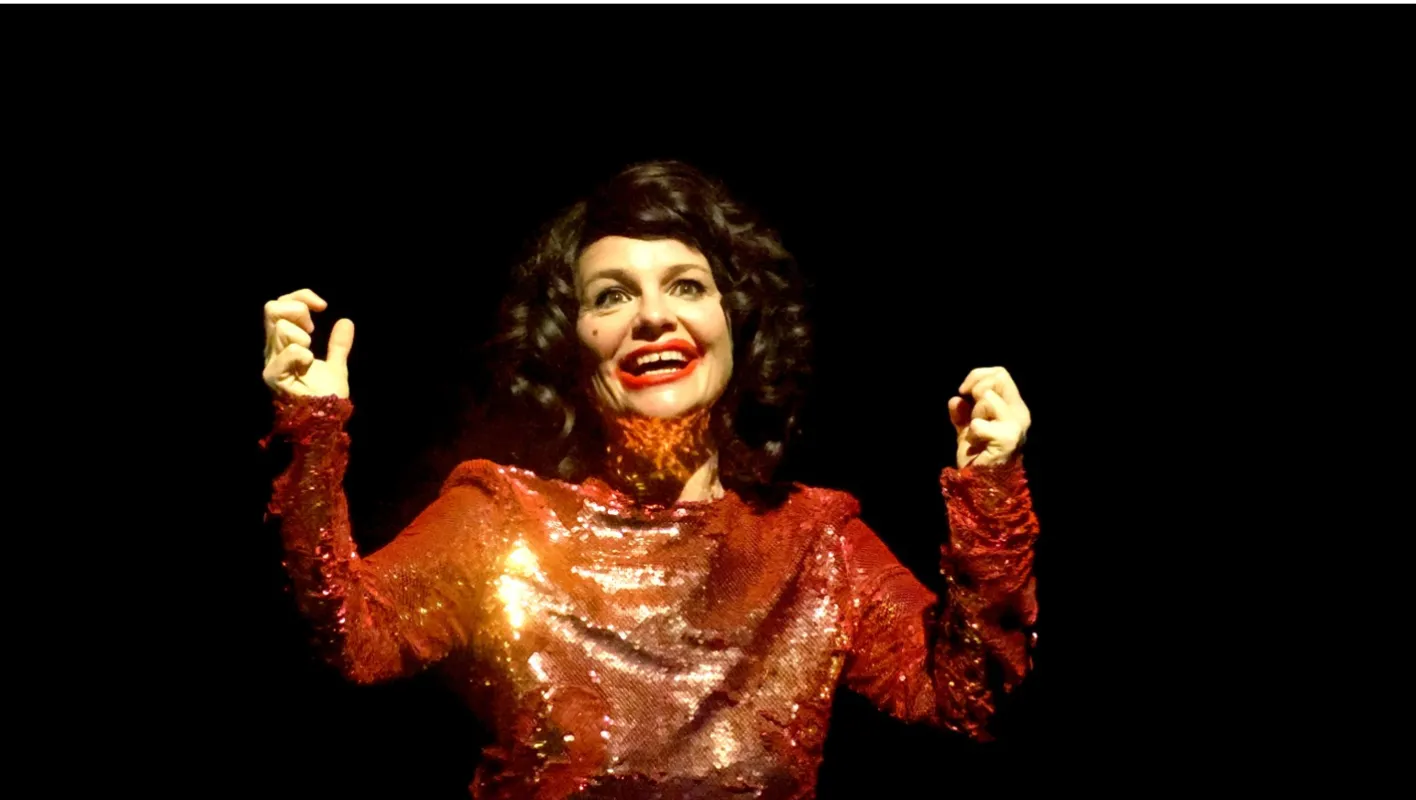
How is a clown show born? How do you transform an intuition into a true stage work? How do you construct a dramaturgy that is not solely the product of reflection, but that takes root in the body, sensations, play, and the relationship with the audience? These are the questions addressed by "Flesh and Skeleton," an exceptional professional training program led by Michaël Egard and Lou Crusson, designed for performing artists wishing to write or develop their own creations.
Conceived as a true artistic research laboratory, this intensive 154-hour workshop guides participants through the entire creative process of a performance, from initial inspiration to a public presentation. The aim is not to apply a ready-made method or leave with a turnkey production, but rather to build the foundations of a personal work. The instructors provide guidance that allows each participant to discover their own artistic territory, clarify their intentions, and find the necessary tools to pursue their creative work independently.
At the heart of this training lies a strong conviction: the clown is not merely a comic character but a profoundly sensitive approach to creation. Before being a result or a performance, it constitutes a space for exploration where the body, emotions, accidents, intuitions, and relationships with others become genuine dramaturgical materials. This approach guides the entire educational program.
Throughout the five-week workshop, the participants constantly alternate between desk work and stage work. Periods of analysis and reflection allow them to identify the project's main outlines, while stage experiments bring ideas to life and sometimes reveal unexpected avenues. This constant interplay between thought and practice allows them to gradually build a vibrant, organic, and deeply personal performance.
The first few weeks are dedicated to opening up perspectives rather than immediately seeking answers. Participants take the time to explore their ideas, listen to the connections between their own project and those of other artists, allow sometimes unexpected intuitions to emerge, and better define the themes they wish to develop. This phase culminates in a true map of the performance, offering a clear vision of the main directions of the creation as well as an initial rehearsal on stage.
The second part of the workshop focuses more on each individual project. The instructors offer personalized guidance to refine dramaturgical choices, clarify artistic intentions, explore performance situations in greater depth, and examine the various possibilities offered by each setting. Participants benefit from individualized feedback while continuing to enrich their work through exchanges with the group. This collective dynamic is one of the essential strengths of the training, with each participant learning as much by observing others as by developing their own creative work.
The goal is never to freeze a performance in time, but rather to learn how to develop a living, evolving piece of writing. The artists thus work to maintain a constant openness to what arises on stage. Accidents become creative resources, unforeseen events enrich the performance, and sensations sometimes guide more than preconceived ideas. The facilitators encourage participants to fully embrace the present moment, to accept detours, to follow their intuition, and to trust the spontaneous movements that emerge on stage.
Significant emphasis is also placed on the clown's unique language. Trainees explore all the forms of expression that comprise this singular form of expression: breaths, silences, stutters, spiraling speech, musicality, rhythms, breaks, states of play, shifts in energy, and the many ways of connecting with the audience. This exploration gradually allows for the emergence of authentic expression and a distinctive artistic presence.
Dramaturgical work constitutes another major focus of the training. Participants learn to construct the complete architecture of their performance by examining the many elements that make up a creative work: the overall theme, the subplot, the overarching narrative, the motifs, the sub-motifs, the artistic influences, the inspirations, the techniques used, the rhythm, the musicality, the scenography, the dramaturgy, the forms of language, the dialogue, and the visual aesthetics. All these elements are progressively organized to create a comprehensive roadmap for the future performance.
The artists are also encouraged to experiment with different roles within the creative process. Alternating between author, performer, and director of their own work, they learn to step back from their project, observe their creation from various perspectives, and foster a dialogue between these different functions. They also explore multiple dramaturgical approaches to understand that a performance can take many directions without ever losing its coherence.
The workshop also cultivates a genuine quality of listening. Participants learn to become active spectators, capable of closely observing the work of others while developing their own critical eye. They practice distinguishing a style, an artistic voice, a unique way of inhabiting the stage. They develop their ability to rewrite, add, remove, or rearrange elements in order to strengthen the coherence of their message without ever losing the spontaneity of live performance.
One of the guiding principles of the training is to prioritize the journey over the destination. The instructors regularly remind participants that artistic creation never follows a perfectly linear path. Hesitations, detours, trials, errors, and discoveries are all integral parts of the process and provide opportunities for a more personal style to emerge.
The learning objectives are numerous. Participants learn, in particular, to better understand their clown character by identifying its silhouette, costume, moods, subject matter, rhythm, style of humor, and personality. They then develop a dramatic structure capable of showcasing this character through a dramatic pretext, appropriate set design, performance tension, contrasts, and a genuine narrative progression. Finally, they acquire the ability to perform their material before an audience while remaining open enough to adapt their writing to the dynamic relationship that develops with the spectators.
Beyond simply writing a play, the training also aims to develop a dramaturgy of sensations. Participants explore the ongoing connections between writing and performance, as well as between performance and writing, in order to create a work that relies not only on narrative but also on emotions, perceptions, states of presence, and everything that constitutes the very essence of the clown. This sensitive approach gives rise to deeply embodied performances, where technique always remains at the service of human connection.
This training program is exclusively for performing artists already engaged in a creative process and working on a writing project. Team applications are also welcome for companies wishing to develop a collective performance. Participants are expected to be fully committed, both in their individual projects and in the collaborative research, which will engage their bodies, their sensitivity, their listening skills, and their artistic commitment.
The program culminates in three public performances in Rennes on October 16, 17, and 18, 2026, accompanied by a lighting design specifically created to highlight the projects developed during the training. These presentations offer the artists the opportunity to test their work before a live audience and to experience their creative process firsthand on stage, the final stage of a particularly rich and demanding creative journey.
Conceived as a true artistic research laboratory, this intensive 154-hour workshop guides participants through the entire creative process of a performance, from initial inspiration to a public presentation. The aim is not to apply a ready-made method or leave with a turnkey production, but rather to build the foundations of a personal work. The instructors provide guidance that allows each participant to discover their own artistic territory, clarify their intentions, and find the necessary tools to pursue their creative work independently.
At the heart of this training lies a strong conviction: the clown is not merely a comic character but a profoundly sensitive approach to creation. Before being a result or a performance, it constitutes a space for exploration where the body, emotions, accidents, intuitions, and relationships with others become genuine dramaturgical materials. This approach guides the entire educational program.
Throughout the five-week workshop, the participants constantly alternate between desk work and stage work. Periods of analysis and reflection allow them to identify the project's main outlines, while stage experiments bring ideas to life and sometimes reveal unexpected avenues. This constant interplay between thought and practice allows them to gradually build a vibrant, organic, and deeply personal performance.
The first few weeks are dedicated to opening up perspectives rather than immediately seeking answers. Participants take the time to explore their ideas, listen to the connections between their own project and those of other artists, allow sometimes unexpected intuitions to emerge, and better define the themes they wish to develop. This phase culminates in a true map of the performance, offering a clear vision of the main directions of the creation as well as an initial rehearsal on stage.
The second part of the workshop focuses more on each individual project. The instructors offer personalized guidance to refine dramaturgical choices, clarify artistic intentions, explore performance situations in greater depth, and examine the various possibilities offered by each setting. Participants benefit from individualized feedback while continuing to enrich their work through exchanges with the group. This collective dynamic is one of the essential strengths of the training, with each participant learning as much by observing others as by developing their own creative work.
The goal is never to freeze a performance in time, but rather to learn how to develop a living, evolving piece of writing. The artists thus work to maintain a constant openness to what arises on stage. Accidents become creative resources, unforeseen events enrich the performance, and sensations sometimes guide more than preconceived ideas. The facilitators encourage participants to fully embrace the present moment, to accept detours, to follow their intuition, and to trust the spontaneous movements that emerge on stage.
Significant emphasis is also placed on the clown's unique language. Trainees explore all the forms of expression that comprise this singular form of expression: breaths, silences, stutters, spiraling speech, musicality, rhythms, breaks, states of play, shifts in energy, and the many ways of connecting with the audience. This exploration gradually allows for the emergence of authentic expression and a distinctive artistic presence.
Dramaturgical work constitutes another major focus of the training. Participants learn to construct the complete architecture of their performance by examining the many elements that make up a creative work: the overall theme, the subplot, the overarching narrative, the motifs, the sub-motifs, the artistic influences, the inspirations, the techniques used, the rhythm, the musicality, the scenography, the dramaturgy, the forms of language, the dialogue, and the visual aesthetics. All these elements are progressively organized to create a comprehensive roadmap for the future performance.
The artists are also encouraged to experiment with different roles within the creative process. Alternating between author, performer, and director of their own work, they learn to step back from their project, observe their creation from various perspectives, and foster a dialogue between these different functions. They also explore multiple dramaturgical approaches to understand that a performance can take many directions without ever losing its coherence.
The workshop also cultivates a genuine quality of listening. Participants learn to become active spectators, capable of closely observing the work of others while developing their own critical eye. They practice distinguishing a style, an artistic voice, a unique way of inhabiting the stage. They develop their ability to rewrite, add, remove, or rearrange elements in order to strengthen the coherence of their message without ever losing the spontaneity of live performance.
One of the guiding principles of the training is to prioritize the journey over the destination. The instructors regularly remind participants that artistic creation never follows a perfectly linear path. Hesitations, detours, trials, errors, and discoveries are all integral parts of the process and provide opportunities for a more personal style to emerge.
The learning objectives are numerous. Participants learn, in particular, to better understand their clown character by identifying its silhouette, costume, moods, subject matter, rhythm, style of humor, and personality. They then develop a dramatic structure capable of showcasing this character through a dramatic pretext, appropriate set design, performance tension, contrasts, and a genuine narrative progression. Finally, they acquire the ability to perform their material before an audience while remaining open enough to adapt their writing to the dynamic relationship that develops with the spectators.
Beyond simply writing a play, the training also aims to develop a dramaturgy of sensations. Participants explore the ongoing connections between writing and performance, as well as between performance and writing, in order to create a work that relies not only on narrative but also on emotions, perceptions, states of presence, and everything that constitutes the very essence of the clown. This sensitive approach gives rise to deeply embodied performances, where technique always remains at the service of human connection.
This training program is exclusively for performing artists already engaged in a creative process and working on a writing project. Team applications are also welcome for companies wishing to develop a collective performance. Participants are expected to be fully committed, both in their individual projects and in the collaborative research, which will engage their bodies, their sensitivity, their listening skills, and their artistic commitment.
The program culminates in three public performances in Rennes on October 16, 17, and 18, 2026, accompanied by a lighting design specifically created to highlight the projects developed during the training. These presentations offer the artists the opportunity to test their work before a live audience and to experience their creative process firsthand on stage, the final stage of a particularly rich and demanding creative journey.

3€00
2€00
Softball 70 or 120g
The best-selling toy for beginners! Doesn't roll away, soft to the touch, easy to grasp. Perfect for developing motor skills and confidence.
2€50
2€00
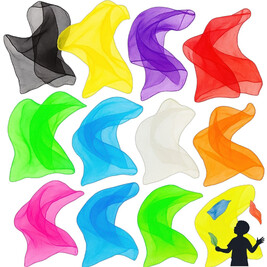
NetJuggler Juggling Scarf
Ideal for children aged 4 and up to discover the sport. Slow flight: understanding rhythm and developing coordination.

4€00
3€00
Soft Chinese plate + chopsticks
Essential for beginners! Made of unbreakable, flexible plastic, ideal for success and confidence. Perfect for schools.


4€00
3€20
Star beanbag
Ergonomic 6-panel design for a better grip. Robust, ideal for all levels and for developing dexterity.
24€50
18€50
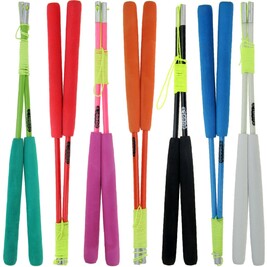
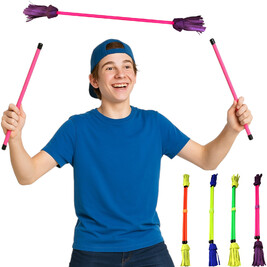
NEO flower stick set
Full silicone grip for a perfect hold. The complete kit for learning safely and without slipping.