Pairs of balance bricks
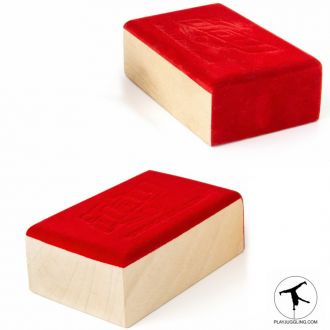
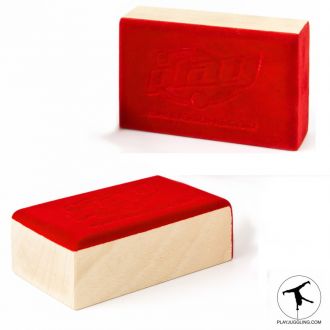
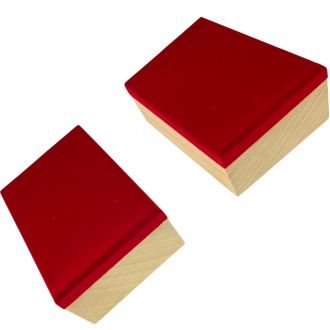
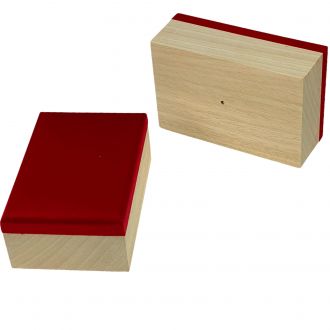
This item is sold in pairs . When you order this item, you receive two bricks.
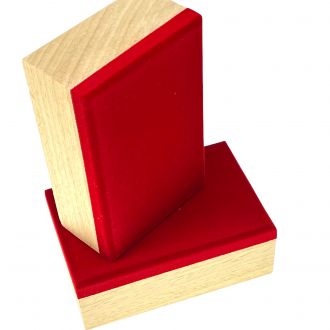
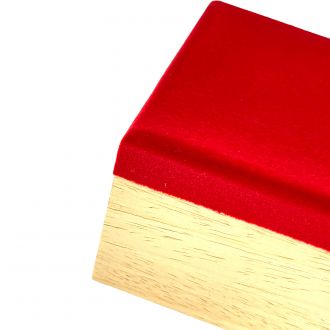
Please note that the currently available series do not have a velvet edge on the short side of the boxes. The velvet is only on the top of the boxes.
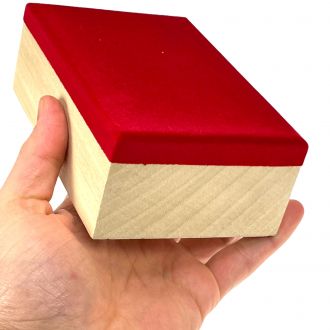
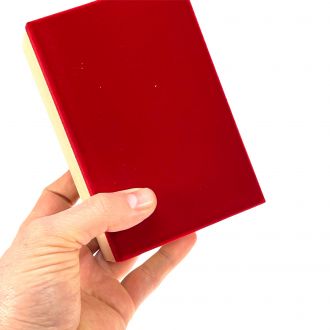
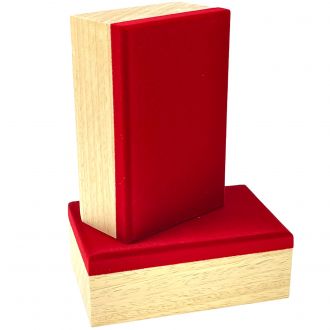
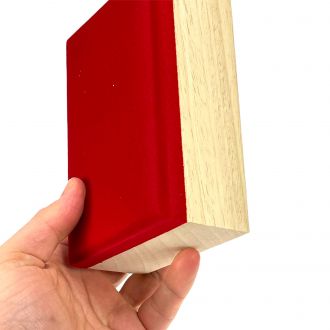
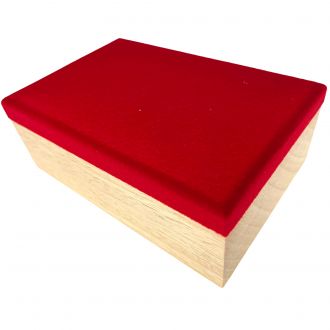
The blocks are made from poplar (CNC-cut). They are covered with velvet on both sides. Each block can be used horizontally or vertically. The velvet coating allows for a comfortable and precise grip.

Features of the balancing bricks:
- Dimensions: 15cm × 10cm × 5.5cm.
- Average mass of a brick: 350 g.
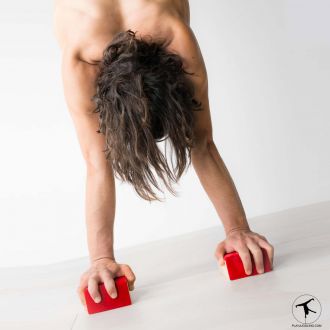
Hand-sized adjustment: At 10 cm wide and 5.5 cm thick, these blocks are perfectly suited for medium to large adult hands (hand width between 8.5 and 9.8 cm). Their height provides support that relieves the wrist and makes finger picking easier.
Summary table of block sizes
This chart will help you visualize what block size is recommended based on hand width. The model sold here corresponds to the bold line below.
Child
Hand width: 5.5 to 7.5 cm
Block width: 7 to 8.5 cm
Length: 10 to 12 cm
Recommended thickness: 4 to 5 cm
Little hands
Hand width: ≤ 8.5 cm
Block width: 8 to 9 cm
Length: 12 to 13 cm
Recommended thickness: 5 to 6 cm
Adults (medium/large hands)
Hand width: 8.5 to 9.8 cm
Block width: 9 to 10 cm
Length: 15 cm
Recommended thickness: 5.5 cm
Tips for choosing and using
To choose the right size, measure the width of your hand flat (at the knuckles). A block width corresponding to your hand + 0.5 to 1 cm is ideal. For smaller hands, a slightly thicker block helps reduce wrist flexion and makes it easier to hook your fingers, providing greater comfort.
For children or beginners, shorter, narrower blocks are recommended for a more secure grip. Thickness plays an important role in reducing fatigue and overall comfort: the thicker the block, the more neutral the wrist angle, allowing for longer, pain-free practice. At the time of writing, we don't offer children's blocks, sorry...
Type of use in balance:
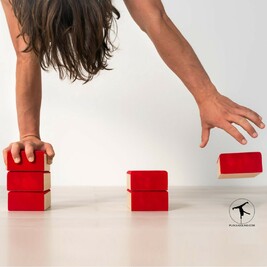
Handstand blocks (also called "hand balance cubes") are commonly used in six-block exercises, where each cube is removed or added one at a time.
This model was designed to facilitate balance and to be easily removed and replaced. The bricks, thanks to their velvet coating, provide good grip. Their beveled shape, combined with the use of velvet, also reduces stress on your wrists by limiting the need for flexibility in the wrists. Using bricks allows you to practice longer with less body fatigue and a reduced risk of injury. Velvet also plays an important role in absorbing perspiration, which allows for a reliable grip even in hot weather or during intense exercise.
Tips and information for beginner tightrope walkers:
If you're a beginner, you might be wondering why these bricks slide on the floor. Wood slides. It's with your weight vertical that the wood doesn't slide. Slippery bricks are necessary for tricks where you add and remove wooden blocks while balancing.

People who bought this item also bought the following items
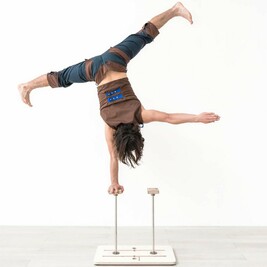
Wooden hand balance board
Balance podium 2 canes 58cm. Wooden base 55cm x 85cm
(2 fixed bases).
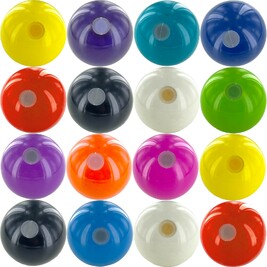
Millet filled Varana 441 ball
Made in France by NetJuggler. Natural filling (millet) for a professional feel. Soft shell, ideal for gentle play.
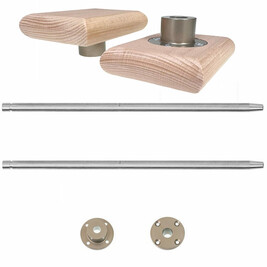
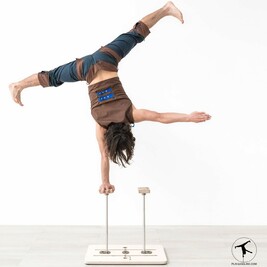
Adjustable hand balance podium
Balance podium with two 58cm canes. Wooden base: 55cm x 85cm.
(5 bases: adjustable width).

Hello, in the photo we can see that these are large men's hands, is there a size for women's hands that are on average smaller?
Good morning,
You are absolutely right, the blocks shown in the photos are standard size and are mostly suitable for medium to large adult hands. With their dimensions (15 × 10 × 5.5 cm), they provide good support and a comfortable wrist angle for most adults, whether men or women, as long as the hand width is between approximately 8.5 cm and 9.8 cm (measured at the finger joints).
For smaller hands, it may be worth using slightly narrower or shorter blocks to make them easier to grip and more comfortable. Unfortunately, we do not currently offer blocks specifically designed for children or for significantly smaller hands. If you are comfortable with crafts, it is possible to make or adapt custom blocks to reduce the width and length to make them more suitable for your body shape.
Please feel free to contact me if you would like advice on what dimensions to aim for when making smaller blocks.
Do you think starting with 2 bricks is already good or should you get used to at least 4 bricks (or even 6, let's be crazy!)
THANKS
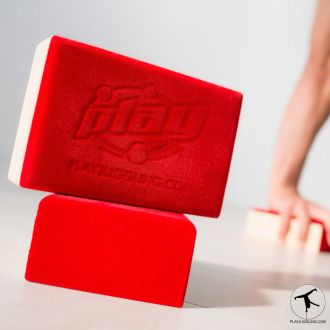
With 2 bricks you can already work on a lot of things... The advantage of having several bricks is to be able to go up and down a bit like in the photo just above these comments.